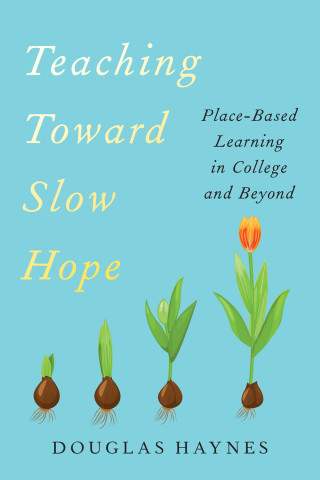
UW-Madison’s Lakeshore Nature Preserve is more than just a scenic backdrop; it’s a living lab. The Preserve, administered by FP&M’s Office of Sustainability, is featured in a new book by Douglas Haynes, “Teaching Toward Slow Hope: Place-Based Learning in College and Beyond,” which highlights how hands-on ecological restoration on campus is teaching students lifelong environmental stewardship.
Chapter three focuses on a First-Year Interest Group seminar, Indigenous Arts and Sciences: Restoration Education and Stewardship that participates each year in hands-on restoration activities in the Preserve. Bryn Scriver, Volunteer and Outreach Coordinator, views the site as a hands-on learning resource.
“We’re literally a living laboratory” Bryn said. “Part of our mission is to facilitate the teaching, research, and outreach mission of the university.”
Bryn and other Preserve staff have worked together to coordinate programs and hands-on ecological restoration activities for the First-Year Interest Group that allows students to learn and practice new skills while helping to repair the Preserve.
The curriculum includes various activities paired with academics, such as native plant seed collection and sowing, which helps boost biodiversity and pollinator habitat at the Preserve. Course instructors Cheryl Bauer-Armstrong and Maria Moreno have also built off of a 10-step model from Earth Partnership, the outreach program of the Department of Planning and Landscape Architecture, when designing the class.
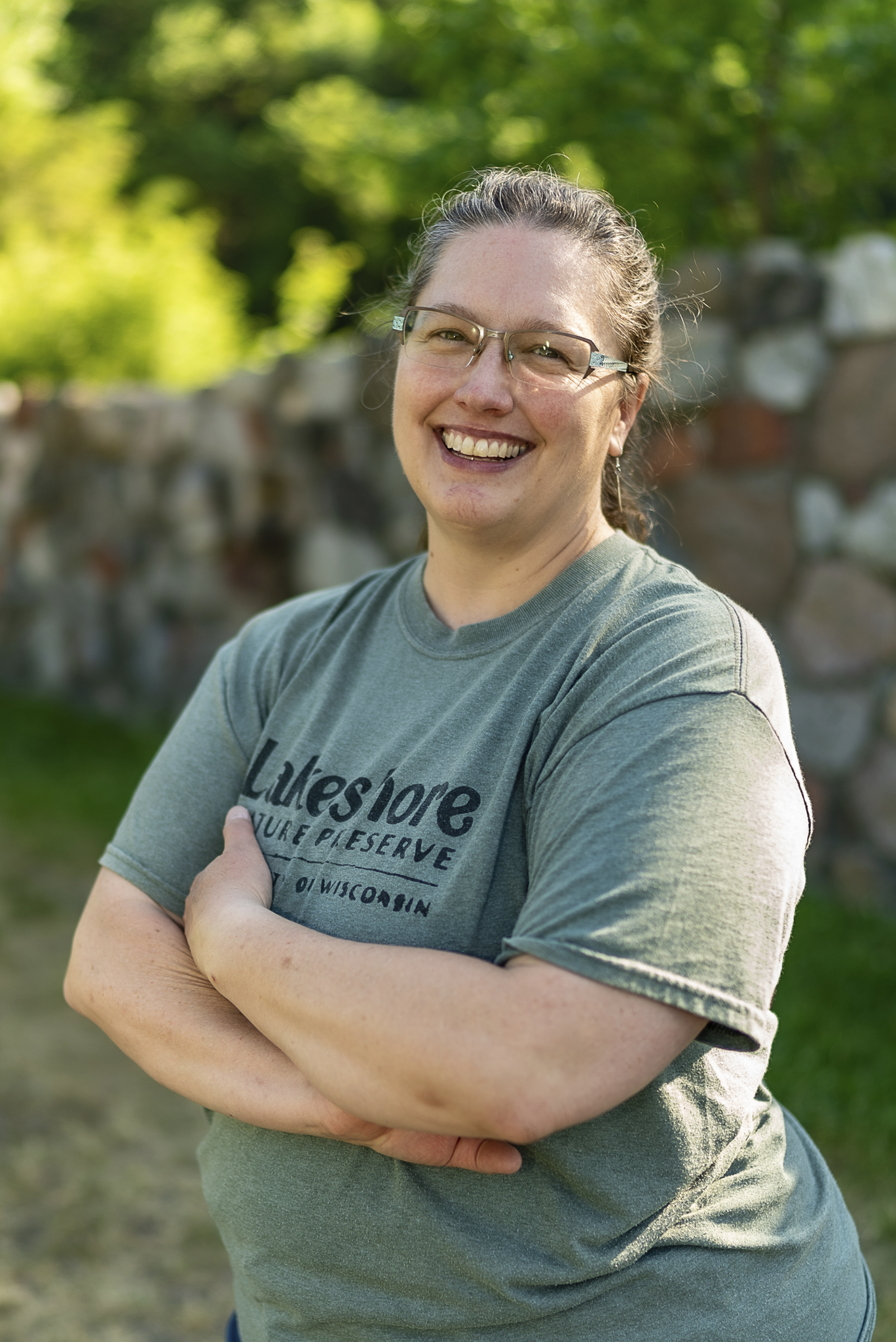
Volunteer work always benefits the Preserve, but Bryn says the most important outcome is the ecological awareness they teach students. By providing a foundation of knowledge, students are more likely to care for the environment around them everywhere they go.
“Humans can cause a lot of environmental problems like habitat and species loss, erosion, and climate change” Bryn said. “But we’re also the solution.”
By shining a light on this work and the Preserve, Bryn hopes other institutions and people will be inspired to care for the land around them. She is also glad the book can raise awareness and appreciation for all campus natural areas.
“We are a world-class university in terms of teaching, research, and outreach, and I’m really proud that the Lakeshore Nature Preserve can be a part of that,” Bryn said.
The book is available to read for free online through UW-Madison Libraries.